Sacred Significance
Rituals, traditions, and the spiritual legacy of Lord Damodar
The Sacred Eleven & Spiritual Identity
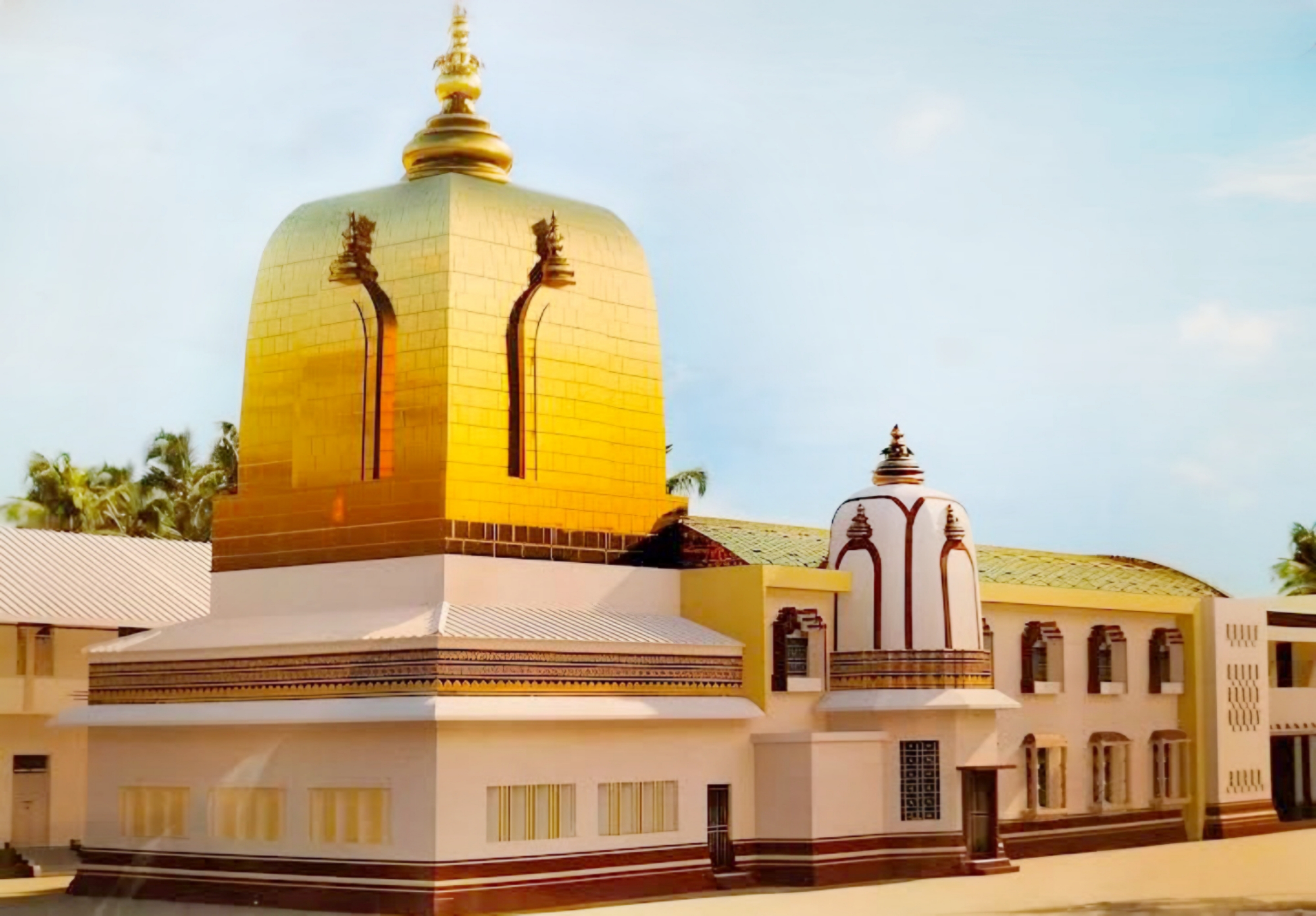
Shri Damodar Temple holds a revered place within the Ekadasha Teertha — the pilgrimage circuit of eleven sacred shrines that form the spiritual backbone of Hindu devotion in Goa.
For the families of Loliem, Zambaulim, and many Goud Saraswat Brahmin households, Lord Damodar is the kuladevata — the family deity to whom births, marriages, and all life passages are dedicated. This hereditary bond draws devotees back from across India and overseas, year after year.
The temple embodies a remarkable theological fusion. "Damodar" is a name of Krishna — dama (rope) around his udara (belly) — yet here the deity is worshipped primarily as Lord Shiva. The sanctum houses both a Shiva Linga and an image of Lakshmi Narayana, reflecting the Smartha tradition where all deities are facets of one Brahman. This Shiva-Vishnu synthesis is a hallmark of Goan Hindu spirituality, lived daily in every ritual and prayer.
Sacred Rituals
Daily Puja
Morning and evening aarti with abhishekam of the Shiva Linga, shringar of the deity, and naivedya offerings at dawn and dusk.
Weekly Shibikotsav
Monday night palkhi procession with 14 ceremonial halts, bhajans, and mangalashtakas — the most moving weekly ritual.
Sacred Prasad
Free blessed food served after afternoon and evening pujas — a centuries-old tradition ensuring no pilgrim leaves without divine grace.
Kushawati Ablutions
Ritual bathing in the sacred river 200m from the temple before darshan. The waters are believed to hold healing and purifying powers.
Shigmo Gulalotsav
Annual 7-day festival of colours drawing 100,000+ devotees from across India — Goa’s grandest celebration of faith and community.
Divination Practice
The traditional “Prasad” divination practised at the temple, where devotees seek divine guidance through sacred ritual.
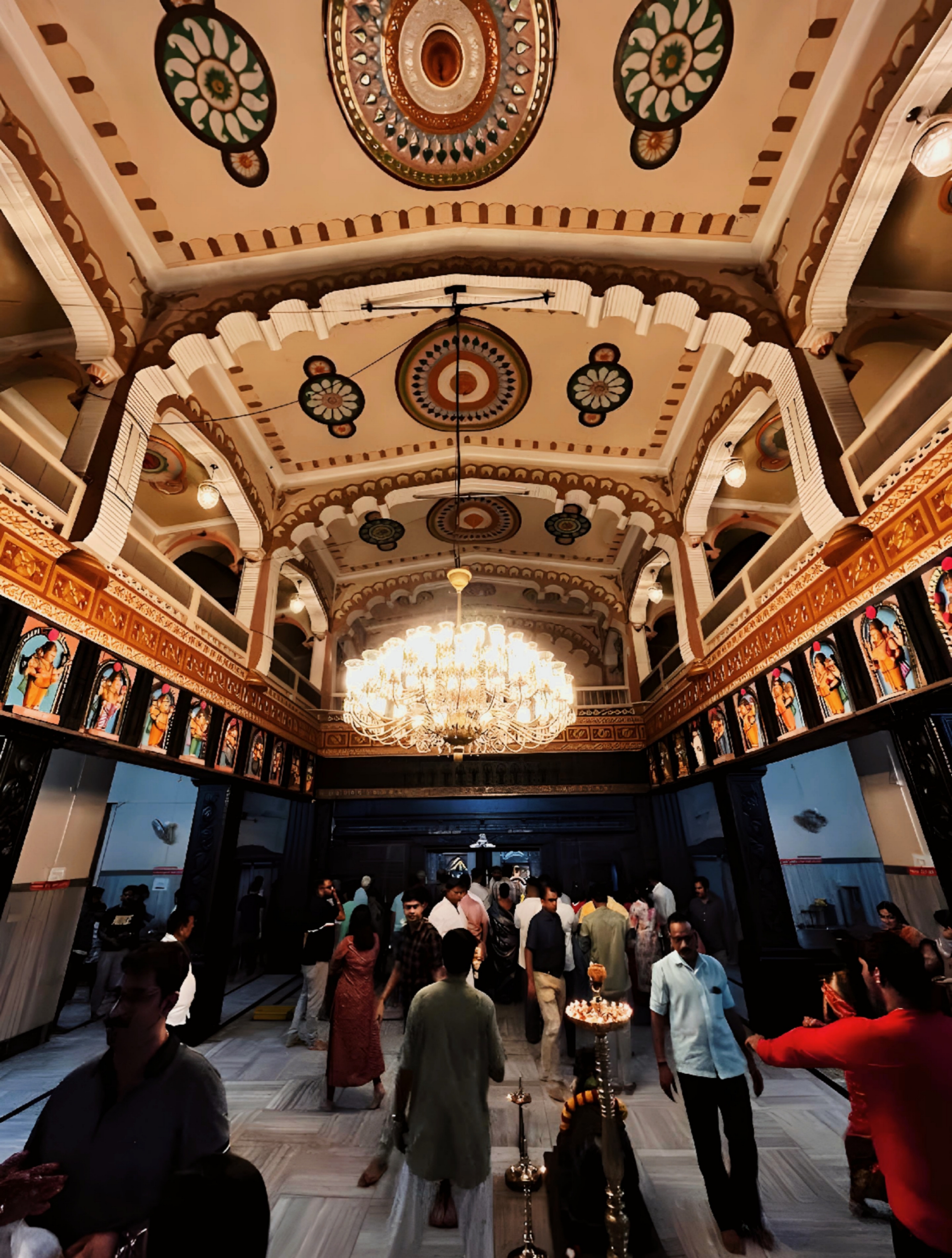
A Beacon of Harmony
In Goa, the temple bell and the church bell have always rung in the same breeze. At Zambaulim, Lord Damodar’s blessings know no boundary of creed — a tradition upheld through centuries of change.
Shri Damodar Temple is a rare sacred site where Hindus, Catholics, and Muslims all come to seek blessings. Catholic and Muslim businessmen of Goa are known to offer prayers here before important ventures — a testament to Lord Damodar’s reputation as a benevolent spiritual presence beyond any single faith.
During the annual Shigmo Gulalotsav, this interfaith character becomes vivid — neighbours of all communities join in the festival of colour and devotion, transcending religious boundaries in a shared celebration. This living tradition reflects Goa’s unique multicultural fabric, where centuries of shared life have forged bonds stronger than any division.
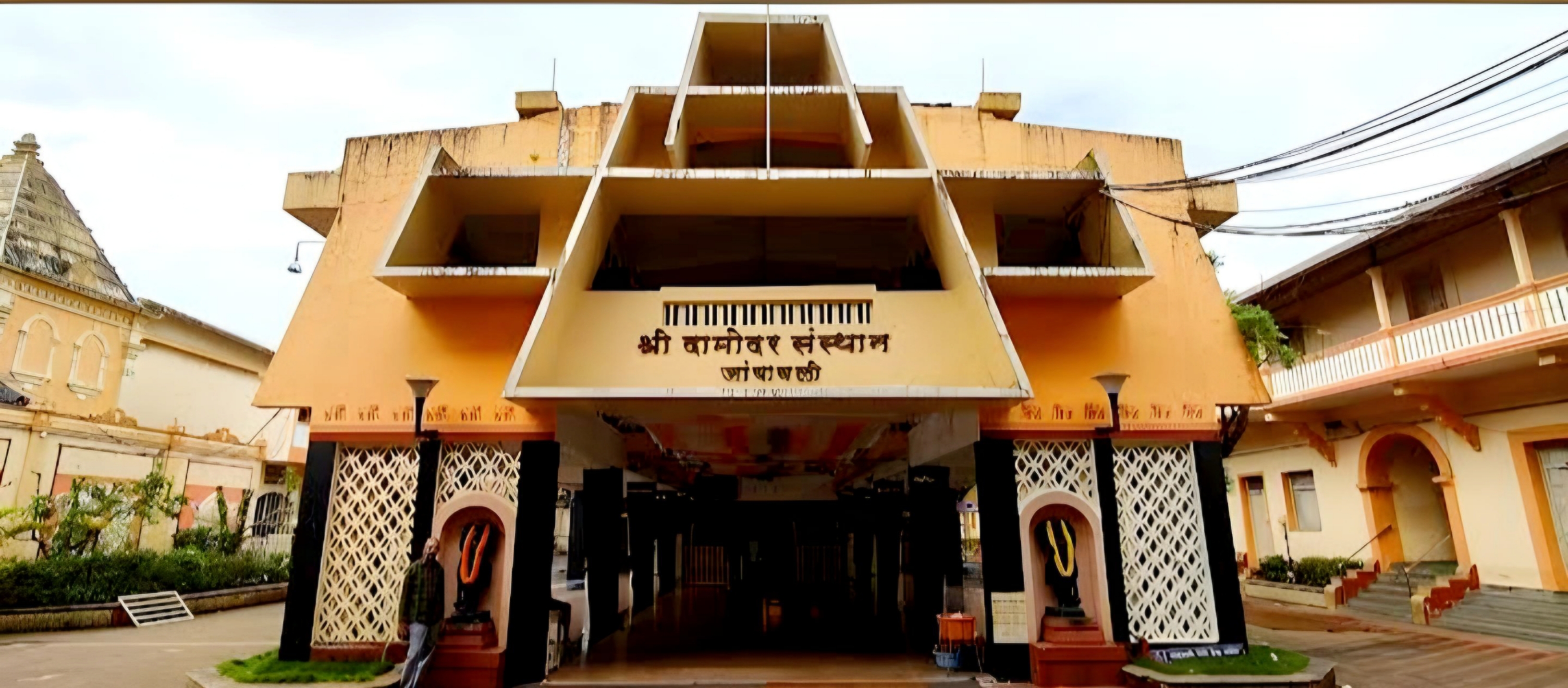
Guardians of Heritage
The Flight of Gods
During Portuguese persecution, roughly 300 temples were destroyed across Goa. Communities secretly relocated their deities to safety under cover of night. Shri Damodar Temple symbolises this resilience — faith surviving force.
GSB Heritage
The Goud Saraswat Brahmin community traces its lineage to the Saraswati River. The Prabhudesai family has served as hereditary mahajans for centuries. Traditional “var bhet” wedding customs continue at the temple to this day.