Nearby Attractions

Discover the heritage-rich surroundings of Zambaulim and South Goa

The area surrounding Shri Damodar Temple is one of South Goa's richest heritage corridors. Within easy reach of Zambaulim lie prehistoric rock art dating back tens of thousands of years, ancient Buddhist caves, hilltop temples with moonlit legends, colonial-era churches built on the very sites of destroyed Hindu shrines, and scenic natural landscapes of dams and river valleys. Together, they offer a journey through nearly every layer of Goa's remarkable history.

Explore

Places to Explore

Panoramic view near the Kushawati River sacred bathing ghat adjacent to Shri Damodar Temple, Zambaulim
~200 m from temple

Kushawati River Sacred Ghat

An ancient Hindu bathing site on the banks of the Kushawati River, just 200 metres from the temple. For centuries, pilgrims have performed ritual ablutions here before entering the sanctum for darshan. The river is traditionally believed to possess healing properties, particularly for skin ailments. The ghat is especially atmospheric during the monsoon season, when the Kushawati runs full and the surrounding vegetation is at its most lush.
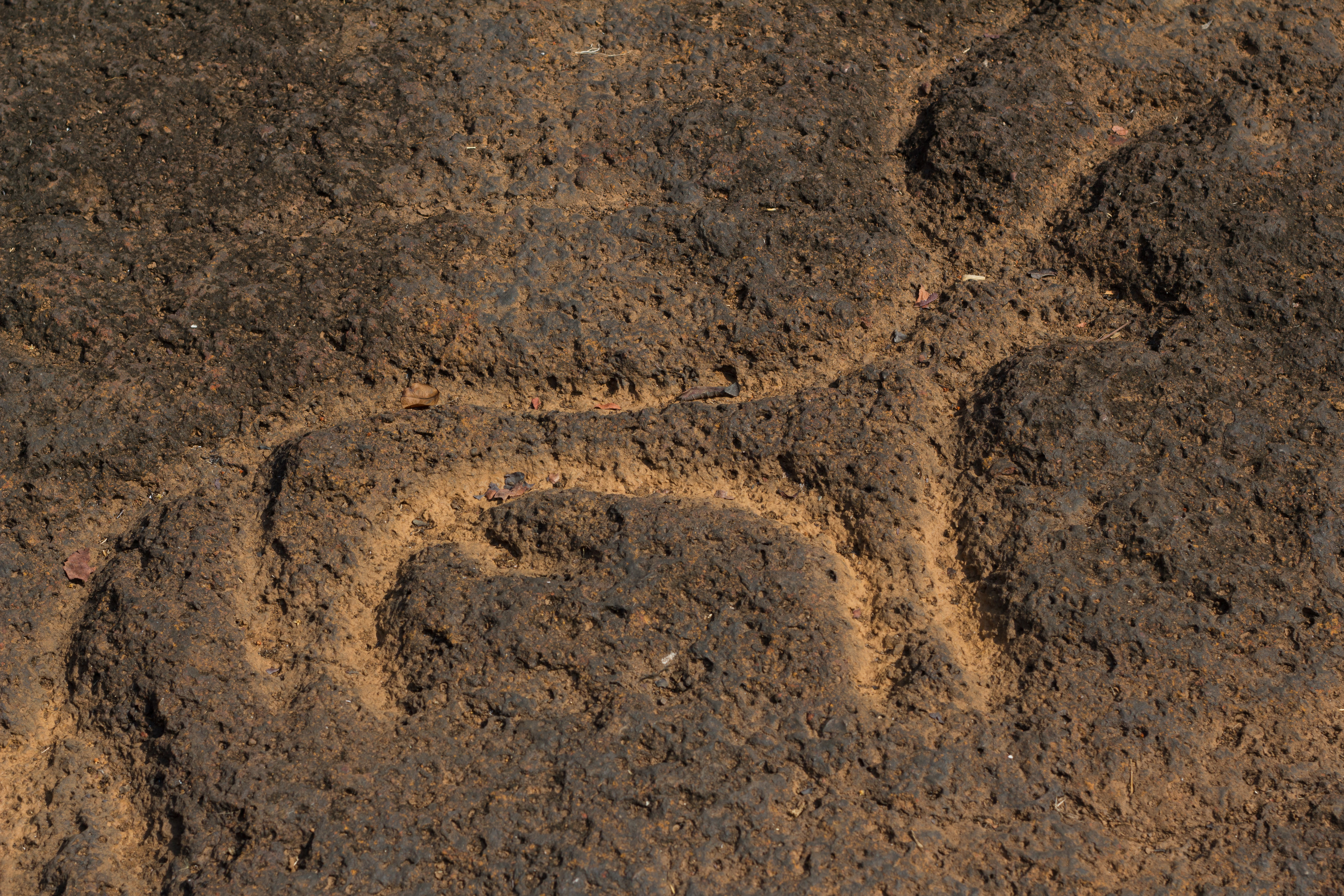
Laterite rock formations near Rivona, characteristic of the landscape around the ancient Buddhist caves south of Zambaulim
~3 km from temple

Rivona Buddhist Caves

Ancient rock-cut caves dating to approximately the 3rd century BC, sometimes referred to locally as the "Pandava Caves." These excavations once served as a settlement for Buddhist monks and feature carved reliefs reflecting both Buddhist and later Hindu artistic traditions. Set amid dense forest on a quiet hillside, the Rivona Caves are among Goa's most significant archaeological sites — tangible evidence that Buddhism flourished in this region long before the arrival of Portuguese colonialism or even the establishment of many of Goa's present Hindu temples.

Prehistoric petroglyphs carved into laterite rock on the banks of the Kushawati River at Usgalimal, South Goa
~7 km from temple

Usgalimal Rock Carvings

Prehistoric petroglyphs on the banks of the Kushawati River, estimated to be 20,000–30,000 years old — among the oldest rock art sites in India. The carvings depict animals (bison, deer, antelope), geometric and labyrinthine patterns, and stylised human figures, offering a window into the lives of Goa's earliest inhabitants. The engravings are best seen when the river level is low (November–May). Visiting with a local guide is strongly recommended, as the carvings can be difficult to locate and interpret without expert assistance.

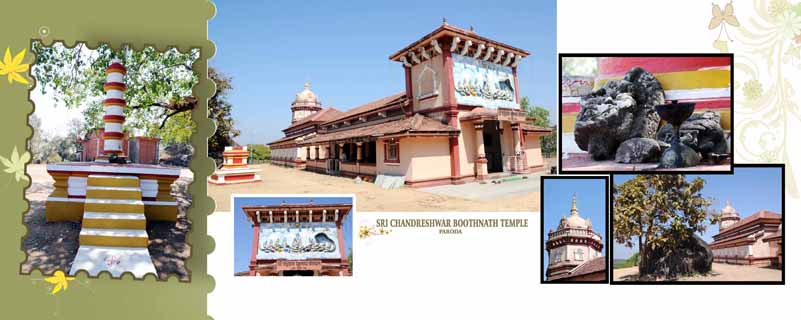
The ancient Chandreshwar Bhutnath Temple atop a forested hill at Paroda, South Goa, with panoramic views of the surrounding countryside
~12 km from temple

Chandreshwar Bhutnath Temple, Paroda

An ancient hilltop temple dedicated to Lord Chandreshwar (Shiva as the Lord of the Moon), perched atop Chandranath Hill near Paroda. The temple is famous for a remarkable phenomenon: on full moon nights, moonlight is said to fall directly onto the Shiva linga through an opening in the temple structure, naturally bathing the deity in silver light. One of the oldest surviving temples in Goa, it rewards the climb with stunning panoramic views of South Goa's forests and river valleys stretching to the horizon.

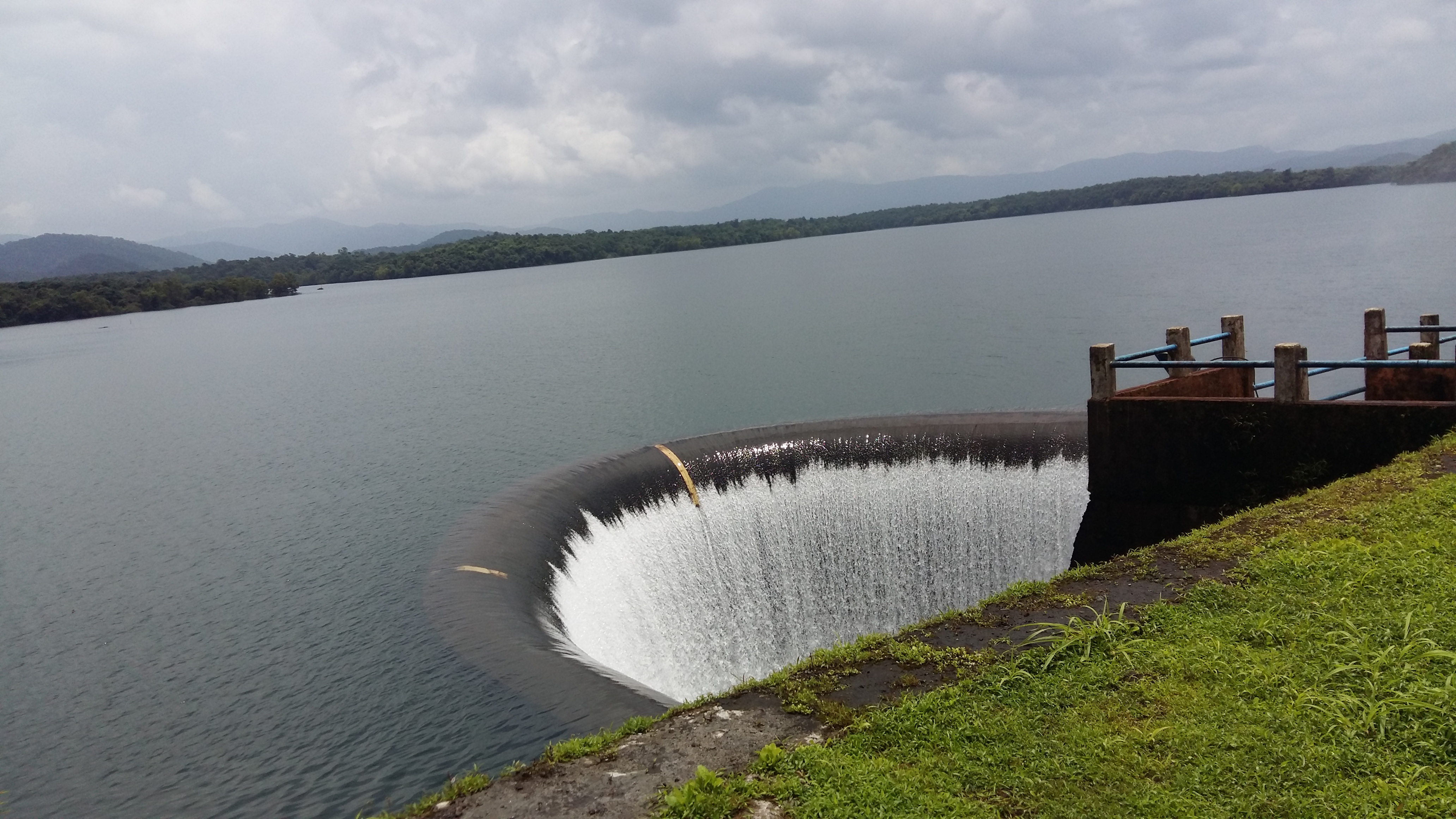
Salaulim Dam reservoir surrounded by green hills in South Goa, with the landscaped garden visible in the foreground
~12 km from temple

Salaulim Dam

Goa's largest dam, built across the Salaulim River (a tributary of the Zuari) to supply drinking water to much of South Goa. The dam site features a landscaped garden with fountains and a scenic reservoir surrounded by green, forested hills that create a tranquil setting. It is a popular picnic spot for locals and is at its most impressive post-monsoon (September–December) when the reservoir is full and the spillway may be in operation.

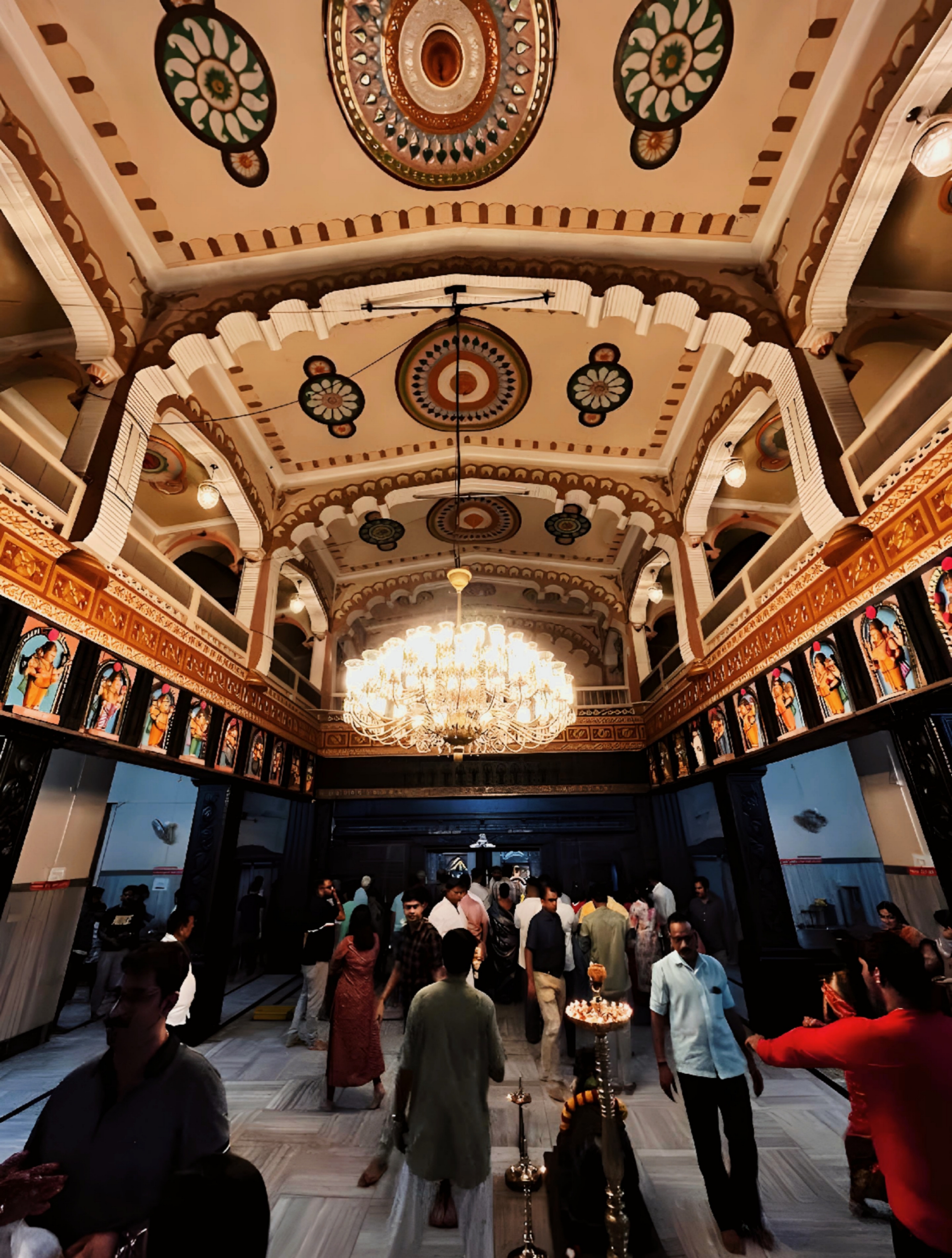
Interior architectural details characteristic of the Indo-Portuguese heritage found at Palacio do Deao in Quepem, South Goa
~5 km from temple

Palacio do Deao, Quepem

A beautifully restored 18th-century Indo-Portuguese mansion built around 1787 by José Paulo de Almeida, a Portuguese-era administrator and the founding Dean (Deão) of Quepem. After decades of neglect, the palace was lovingly restored by Ruben and Celia Vasco da Gama and now operates as a heritage house offering traditional Goan meals by reservation. The building is an architectural gem with period furniture, hand-painted tiles, and a terraced riverside garden overlooking the Kushawati.

The Church of the Holy Spirit in Margao, built in 1565 on the site of the original Damodar Temple, with its Baroque white facade
~22 km from temple

Church of the Holy Spirit, Margao

Built in 1565 on the exact site of the original Damodar Temple at Damodar Sal in Margao — the very temple from which Lord Damodar's deity was carried to Zambaulim to protect it from destruction during the Portuguese Inquisition. Rebuilt in Baroque style in 1675, it is one of Goa's finest churches, with an ornate gilded altar and a grand facade facing the Margao municipal garden. The deep historical connection between this church and Shri Damodar Temple makes this a particularly meaningful companion visit for those tracing the deity's journey.

The quiet heritage village of Chandor in South Goa, former capital of the Kadamba dynasty and home to the historic Braganza House
~15 km from temple

Chandor Heritage Village

The former capital of the Kadamba dynasty, the medieval rulers who patronised some of Goa's earliest temples. Chandor is home to the magnificent Braganza House (Menezes Braganza Pereira mansion), a 17th-century Portuguese-era mansion split between two branches of the same family, each side offering guided tours through rooms filled with period furniture, porcelain, and family heirlooms. The village's quiet atmosphere and layered archaeological heritage — Kadamba, Vijayanagara, Portuguese — offer a glimpse into the many civilisations that have shaped Goa.

Itineraries

Suggested Itineraries

Half-Day Heritage Trail (3–4 hours)

Shri Damodar Temple → Kushawati River Sacred Ghat → Rivona Buddhist Caves (3 km) → Usgalimal Rock Carvings (7 km)

This compact itinerary covers three millennia of history in a single morning or afternoon. Begin with darshan at the temple, bathe at the sacred ghat, explore the ancient Buddhist caves, and conclude at the prehistoric rock art site on the Kushawati. Best done by car or scooter.

Full-Day South Goa Heritage Circuit (6–8 hours)

Shri Damodar TempleRivona CavesUsgalimal Rock CarvingsChandreshwar Bhutnath TempleSalaulim DamPalacio do Deao (lunch) → Chandor Heritage Village

A comprehensive day tour through the best of South Goa's heritage. Start early with morning darshan, trace the prehistoric and ancient sites, enjoy the hilltop views at Chandreshwar, and wind down with a traditional Goan meal at the restored colonial palace before exploring Chandor's grand mansions.

Ready to Plan Your Pilgrimage?

Get directions, temple timings, and practical tips for your visit to Shri Damodar Temple and the surrounding heritage sites.