Festivals & Celebrations
From the grand Shigmo Gulalotsav to the weekly Shibikotsav
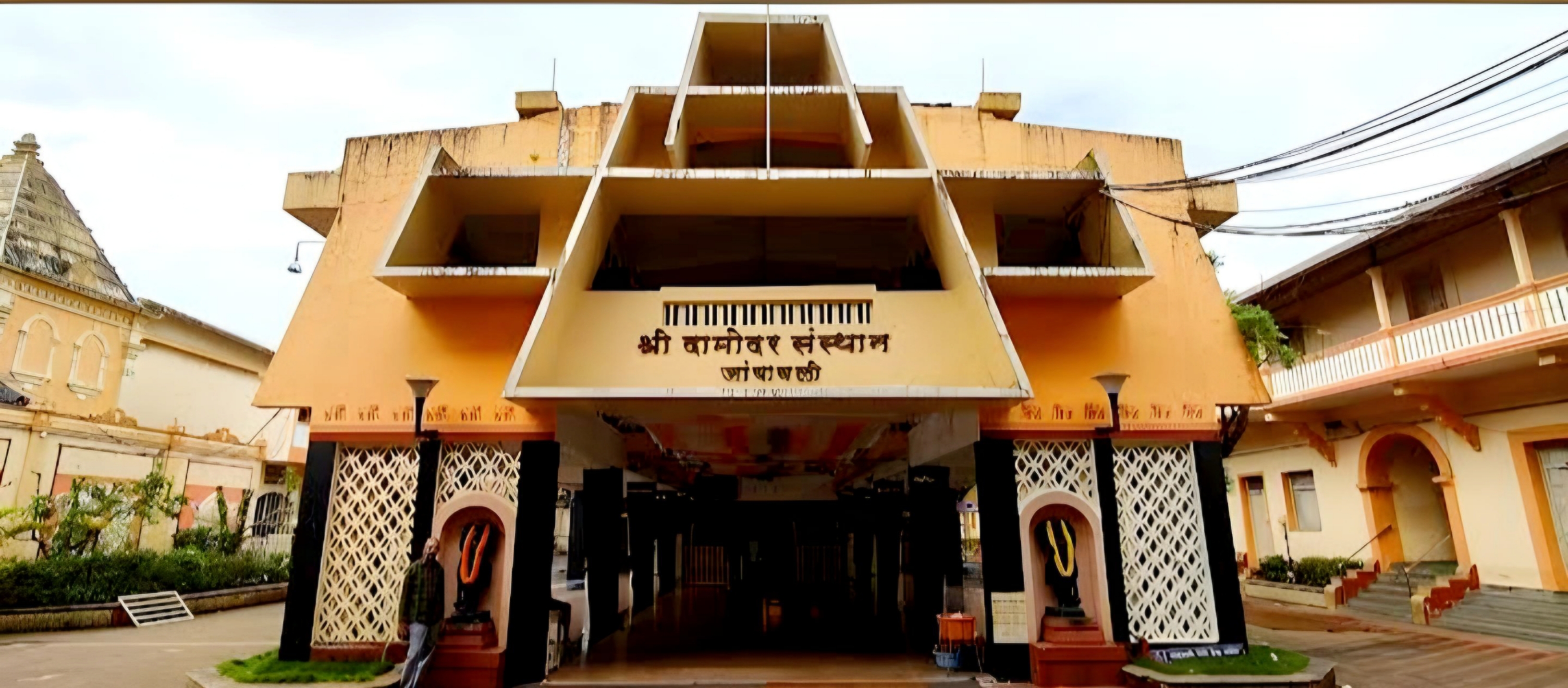
Shigmo Gulalotsav
Goa's most magnificent celebration of spring. For over 500 years, this 7-day festival has transformed Zambaulim into a sea of pink gulal, drawing 100,000+ devotees each February–March.
Dambaba — The Journey Begins
The festival starts at the Keni House in Margao, honouring the deity's original home. A sacred coconut is worshipped and carried in procession to Zambaulim, retracing the historic 1565 flight. The Haldune turmeric ritual marks the official opening.
The Sacred Week
Over seven days, intensity builds. On Monday, Lord Damodar’s palanquin visits Shri Ramnath Temple to inaugurate the Gulalotsav by applying gulal to the Ramnath deity — one god honouring another.
The Grand Palki Procession
Tuesday is the climax. Lord Damodar’s palanquin emerges amid clouds of pink gulal. Near the sanctum, the gulal reaches ankle-depth. “Govinda jai jai” echoes from thousands of voices. To be smeared with this sacred gulal is deeply auspicious.
Cultural Performances
Navro Vhakal (satirical marriage play unique to this temple), Suvari Vadan (Goan folk percussion), Naatak (traditional theatre), Panair (temple fair), and continuous bhajan singing throughout the week.
Dhulvhat — Sacred Closure
Devotees bathe in the Kushawati River to wash off the gulal — a symbolic return from the sacred to the everyday. The festival ends with a grand aarti and Mahaprasad feast for all. Temple management symbolically returns to the Zambaulim community.
Sacred Processions
Weekly Shibikotsav
Every Monday evening after the 7:30 PM aarti, Lord Damodar’s image is carried in a decorated palkhi around the temple, making 14 ceremonial halts with bhajans and mangalashtakas at each station. An intimate, deeply moving experience lasting 1–2 hours.
Rathotsav — Chariot Festival
The deity rides through Zambaulim atop an elaborately carved wooden chariot, pulled by teams of devotees as an act of seva. Families line the route for darshan as the rath passes with temple musicians and the entire village community.
Annual Celebrations
Festival Visit Tips
Reach before 10 AM on peak Tuesday. The courtyard fills rapidly by afternoon.
Gulal stains permanently. Many devotees wear white to show the sacred colour.
Use waterproof covers for cameras and phones. The fine powder damages electronics.
Carry water. The Panair fair offers refreshments and local snacks throughout.
Accommodation in Quepem and Margao fills fast during Shigmo. Reserve early.
For an intimate experience outside festivals, attend the weekly Shibikotsav.